Quick Summary
- Fall leaves are only part of the gutter problem. Sweetgum balls, oak tassels, and maple seeds cause clogs on their own schedules, well into winter and spring.
- Sweetgum fruit drops from December through April and tends to jam downspout outlets.
- Oak tassels break down into a sludge that coats screens and mesh gutter guards.
- Maple seeds are slim enough to wedge into mesh openings and sprout in standing water.
- A one-piece hooded gutter sheds all three, which matters most on wooded lots in Hyde Park, Mariemont, Loveland, and Northern Kentucky.
Table of Contents
Most Greater Cincinnati homeowners treat October as gutter season. The trouble is that many of the trees shading local streets do their worst damage after the leaves are gone. Sweetgum balls fall all winter. Oak tassels arrive in a sticky wave each spring. Maple seeds spin into every opening they can find. Knowing which trees overhang your roof tells you when your gutters are most likely to clog, and which kind of gutter protection will hold up.
Why the Type of Tree Matters More Than the Number of Leaves
Cincinnati Parks Urban Forestry maintains 85,000 public street trees, and that count leaves out the mature oaks, maples, and sweetgums in backyards from Anderson Township to Fort Thomas. Each species sheds debris with its own size, shape, and timing.
Large flat leaves are the easy part. Smaller debris causes more trouble: spiky pods lodge at outlets, stringy flowers mat together, and narrow seeds slip through openings meant to stop leaves.
A survey of municipal arborists in the North Central U.S. found silver maple was the most common street tree, with sugar maple, Norway maple, and pin oak also in the top 10. That mix describes plenty of Greater Cincinnati yards, too.
Sweetgum Balls: The Clog That Waits Until Winter
Sweetgum leaves drop in fall, but the hard, spiky gumballs hang on. NC State Extension notes the fruit litters the ground from December through April, long after most fall cleanups are finished.
In an open gutter, gumballs roll toward the downspout and stack up at the outlet. A few caught at the opening become a dam that holds everything behind it. On screened gutters, the spikes snag in the mesh and pin leaves in place. Either way, the clog tends to show up in January, when overflow can freeze along the fascia.
Sweetgums are easy to spot by their star-shaped leaves, and they are common around Burnet Woods, Clifton, and the West Side.
Oak Tassels and Acorns: Spring Sludge and Fall Weight
Oaks hit gutters twice a year. In spring, they drop catkins, the stringy tassels that release pollen, anytime from late March through May depending on species and weather. Once wet, tassels and pollen break down into a brown paste that coats mesh guards and seals the openings water needs.
In fall, acorns and leathery leaves add weight. Pin oaks, a common residential street tree, often hold dead leaves into winter and release them in waves, so one fall cleaning on an oak-heavy lot in Hyde Park or Mariemont rarely lasts.
If a yellow film covers your car in April, the same pollen is settling in your gutters.
Maple Seeds: Small Enough to Slip Through
Maple seeds, the winged helicopters that spin down every year, are built to travel. Silver and red maples release theirs in late spring, while sugar and Norway maples drop seeds closer to fall, so a yard with mixed maples can see two seed seasons a year.
The narrow shape is the problem. Seeds slide lengthwise into screen and mesh openings and stick halfway. Others reach the trough and settle in standing water, where they sprout. Seedlings growing in a gutter are a clear sign water is not draining, and their roots trap even more debris.
Maple-lined streets in Loveland, Montgomery, and much of Northern Kentucky deal with this every year, often right as spring storms bring heavy rain.
Greater Cincinnati Tree Debris Calendar
| Tree | What drops | When it drops | Where it causes trouble |
| Sweetgum | Spiky gumballs | December through April | Downspout outlets; snags in screens |
| Oak | Tassels and pollen, then acorns and leaves | Late March through May, then Fall into Winter | Sludge on mesh guards |
| Silver and red maple | Winged seeds | Late Spring | Wedged in mesh; sprouting in troughs |
| Sugar and Norway maple | Winged seeds and leaves | Late Summer and Fall | Wedged in mesh; sprouting in troughs |
| Ohio buckeye | Nuts and split husks | Early Fall | Gutter corners |
| Honey locust | Tiny leaflets | Fall | Passing through guards |
| Tulip poplar | Flower petals, then seed cones | Late Spring, then through Winter | Mats along the trough |
| Pine and spruce | Needles | Year-round | Mats that block flow |
Our gutter inspection checklist covers what to look for, and our post on LeafGuard and pine needles explains how needles behave.
How Gutter Guards Handle Cincinnati Tree Debris
Each of these trees causes trouble the same way: debris enters, catches on, or covers an opening in the gutter.
Open gutters collect all of it. Screens and micro-mesh gutter guards keep large leaves out, but they give small seeds and pollen sludge a flat surface to sit on, so they still need brushing. That difference matters more than price when comparing gutter guards in Cincinnati.
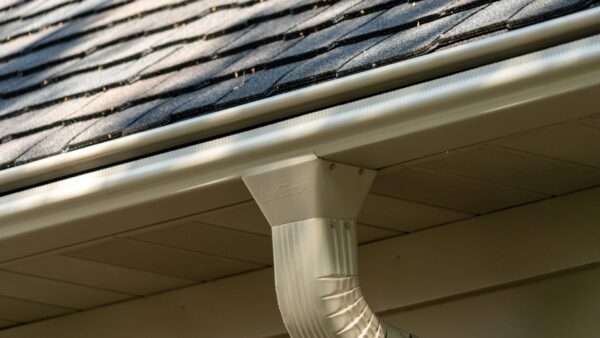
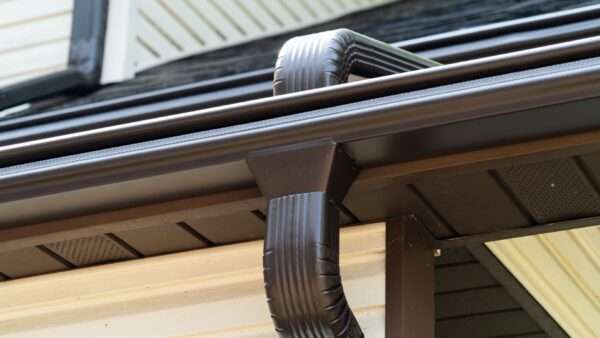
LeafGuard Brand Gutters take a different approach. The gutter and its curved hood are formed as one piece on site, so there is no separate cover or seam for seeds to wedge into. Rainwater follows the curve of the hood into the gutter, while gumballs, tassels, and seeds fall off the edge. The system is engineered to handle up to 32 inches of rain per hour, which matters when a spring downpour follows an oak drop.
Protect Your Gutters From Every Season’s Debris
Sweetgums, oaks, and maples drop something nearly every month of the year. A one-piece hooded gutter lets them do it without a ladder or a clog.
Schedule your free estimate, and a LeafGuard of Cincinnati gutter guard expert will walk your property, identify the trees causing trouble, and show you exactly what they find. For more than a decade, we have been the exclusive LeafGuard installer serving Greater Cincinnati, Southwestern Ohio, and Northern Kentucky.
Curious what your neighbors think? Read our 250+ reviews.