When was the last time you looked underneath the overhang of your roof? Most homeowners rarely give this area a second thought. After all, it’s not as noticeable as new shingles, freshly painted siding, or beautiful gutters. But tucked beneath the edge of your roof is an important part of your home’s exterior: the soffit. And depending on your home’s construction, that soffit may contain ventilation openings that help your attic manage heat and moisture. These openings are called soffit vents.
For homeowners in Cincinnati, where the weather can shift from humid summer days to freezing winter nights, understanding soffit ventilation can help you make better decisions about your roof and exterior home improvements. At LeafGuard of Cincinnati, we know that even the parts of your home you rarely notice can make a meaningful difference.
What Is a Soffit Vent?
A soffit vent is an opening installed beneath a roof overhang that allows outdoor air to enter a conventional vented attic. Soffit vents are typically located in the horizontal surface between the home’s exterior wall and the fascia board.
Depending on the home, you might see:
- Continuous ventilation strips running along the eaves
- Individual rectangular or circular vents
- Perforated aluminum or vinyl soffit panels
Some soffit panels are solid, while others are designed to allow airflow. The presence of a perforated panel doesn’t automatically mean the attic is receiving adequate ventilation. The opening behind the panel must also provide a clear path into the attic.
How Do Soffit Vents Work?
Soffit vents are generally the intake side of an attic ventilation system. Their job is to provide an entry point for outdoor air. As air exits through suitable upper exhaust openings, replacement air can enter through the soffit vents. This movement helps exchange attic air with the outdoor environment.
For the system to work properly, airflow must be able to travel from the soffit openings into the attic without being blocked by insulation, framing, or other materials. Think of it like trying to breathe through a straw. Even if the opening is there, airflow becomes difficult when the passage is blocked. The same principle applies to soffit ventilation.
Why Are Soffit Vents Important for Cincinnati Homes?
1. They Supply Air to the Attic
An effective passive ventilation system needs both intake and exhaust openings. Without adequate intake, upper exhaust vents may not provide the intended airflow. Soffit vents help supply replacement air near the roof’s lower edge.
2. They Help Manage Moisture
During winter, humid air from inside the home can enter the attic through ceiling leaks. If moisture accumulates on cold surfaces, it may contribute to condensation, frost, and deterioration of roof materials. Soffit ventilation can support moisture removal as part of a properly designed system. However, controlling indoor humidity and sealing air leaks are essential. Adding vents without addressing those issues may not resolve the problem.
3. They Support Summer Heat Management
Cincinnati summers often bring warm temperatures and high humidity. A ventilated attic can experience significant heat buildup when sunlight warms the roof. Soffit vents help provide the intake air needed for passive attic airflow. Although ventilation may help moderate attic temperatures, it should complement adequate insulation and air sealing rather than replace them.
4. They Can Support the Performance of Roofing Materials
Persistent moisture in the attic can affect wooden framing and roof decking. Appropriate ventilation helps manage attic conditions, supporting the broader roof assembly. For homeowners considering new GAF asphalt shingles, soffit ventilation is one of several details worth evaluating during the roofing process.
5. They Are an Important Part of Roofline Renovations
When replacing aging soffit or fascia materials, homeowners have an opportunity to evaluate whether existing ventilation openings are appropriately located and unobstructed. This is especially relevant for older homes where multiple renovations may have changed the original roofline.
The Most Common Soffit Vent Problem: Blocked Airflow
Here’s something many homeowners don’t realize that you can have soffit vents installed and still have inadequate attic airflow. One common reason is insulation blocking the openings. For example, loose-fill or batt insulation may extend too far toward the eaves, restricting the passage of outdoor air into the attic. Other potential obstructions include:
- Debris or insect nests
- Paint covering vent openings
- Solid materials installed behind perforated panels
- Deteriorated or improperly installed vent components
- Framing configurations that restrict airflow
A qualified professional may recommend ventilation baffles where appropriate to maintain a clear airflow path near the roof decking. These baffles help keep insulation from obstructing the intended passage. Homeowners should avoid disturbing potentially hazardous insulation or working in unsafe attic conditions without appropriate expertise.
Soffit Vents, Soffit Panels, and Fascia: What’s the Difference?
These terms are often used interchangeably, but they refer to different parts of the roofline.
- Soffit: The finished underside of the roof overhang.
- Soffit vent: An opening or vented component designed to provide airflow.
- Fascia: The board or finishing material along the roof’s edge, commonly located behind the gutter system.
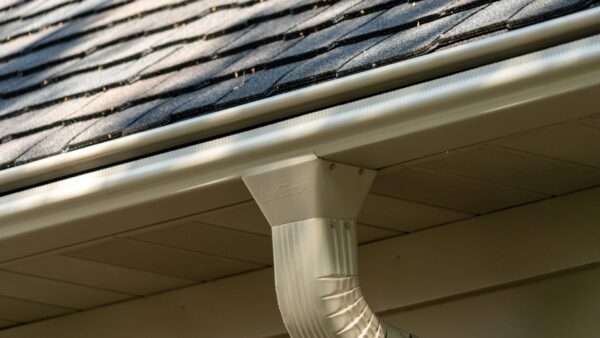
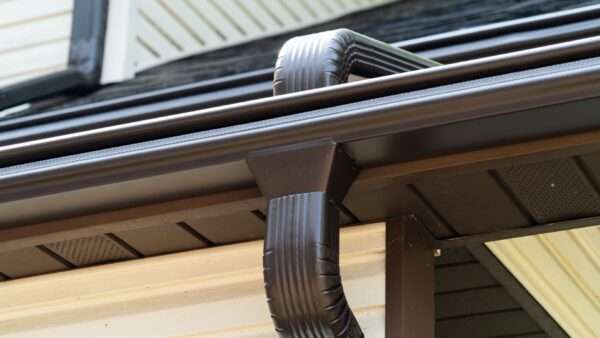
- Gutters: Channels that collect rainwater from the roof and direct it toward downspouts.
Each component has a different function. Soffit ventilation helps manage attic airflow, while the gutter system helps manage rainwater. Both should be considered when planning exterior improvements because improper installation or damaged roof-edge materials can affect overall home protection.
How Do You Know If Your Soffit Vents Are Working?
There isn’t always an obvious sign that soffit ventilation is inadequate. However, certain conditions deserve attention.
- Your Attic Has Persistent Moisture: Condensation, frost, or damp roof decking may indicate moisture entering the attic faster than it can be managed.
- Your Upper Floor Feels Unusually Warm: Attic heat transfer can contribute to uncomfortable upstairs rooms, particularly when insulation or air sealing is inadequate.
- Your Soffit Panels Appear Damaged: Loose, cracked, missing, or deteriorated panels can expose the roofline to pests and weather.
- You Can See Blocked Vent Openings: Paint, debris, or other materials may restrict airflow through the openings.
- Your Home Has Undergone Previous Renovations: Roofing, insulation, or soffit replacement projects can sometimes change the ventilation arrangement.
If you’re unsure whether your vents are functioning as intended, a professional evaluation can help identify potential issues.
Should You Replace Your Soffit Vents?
Soffit vents don’t necessarily need replacement simply because they’re older. However, replacement or modification may be appropriate when:
- Vent components are damaged
- Existing openings are inadequate for the ventilation design
- Airflow paths are obstructed
- Soffit materials have deteriorated
- A roof replacement requires changes to the intake system
It’s important to evaluate the entire attic ventilation arrangement before increasing or relocating vent openings. More ventilation is not automatically better if the system becomes unbalanced.
Are Soffit Vents Important During Roof Replacement?
Yes. A roof replacement provides an opportunity to review whether the home’s existing intake ventilation is sufficient for the proposed exhaust system. For example, installing a new ridge vent without adequate lower intake may not deliver the expected performance. Homeowners should ask whether their roofing estimate includes an assessment of attic ventilation and whether any necessary improvements are identified separately. At LeafGuard of Cincinnati, we believe that understanding these details helps homeowners make more informed decisions about their roofing investments.
Frequently Asked Questions About Soffit Vents
Does every home need soffit vents?
No. Some homes use alternative intake arrangements, while others have intentionally unvented roof assemblies. The appropriate design depends on the home’s construction.
Can soffit vents get clogged?
Yes. Insulation, debris, paint, or other materials can obstruct airflow.
Do soffit vents let cold air into the house?
Soffit vents are designed to bring outdoor air into a vented attic, not directly into conditioned living spaces. Proper attic-floor insulation and air sealing help separate those spaces.
Can soffit vents help prevent mold?
They can support moisture management, but they cannot guarantee mold prevention. Water leaks, indoor humidity, and air leakage must also be addressed.
Can I replace solid soffit panels with vented ones?
Possibly. The underlying construction and overall ventilation design should be evaluated before making changes.
Are soffit vents part of a gutter system?
No. Soffit vents provide attic intake ventilation, while gutters manage roof runoff. They are separate components located near the roof edge.
Don’t Overlook the Details Beneath Your Roof
When it comes to protecting your home, some of the most important features are also the easiest to overlook. Soffit vents may be small, but they can play an essential role in supplying airflow to a conventional vented attic. Whether you’re considering a roof replacement, updating your soffit and fascia, or investigating attic moisture, understanding these components can help you ask the right questions.
At LeafGuard of Cincinnati, we provide GAF asphalt shingle roofing solutions and LeafGuard® Brand Gutters, helping homeowners make informed choices about their exterior home improvements.
Have questions about your next roofing or exterior project? Call (513) 512-4064 or click here to request a free estimate.